Ministry of Environment, Forest and Climate Change (MoEFCC) The Energy and Resources Institute

Climate Co-Benefit Calculator Suite

Estimate emissions, quantify co-benefits, and compare climate strategies for cities and states using IPCC-aligned methods.

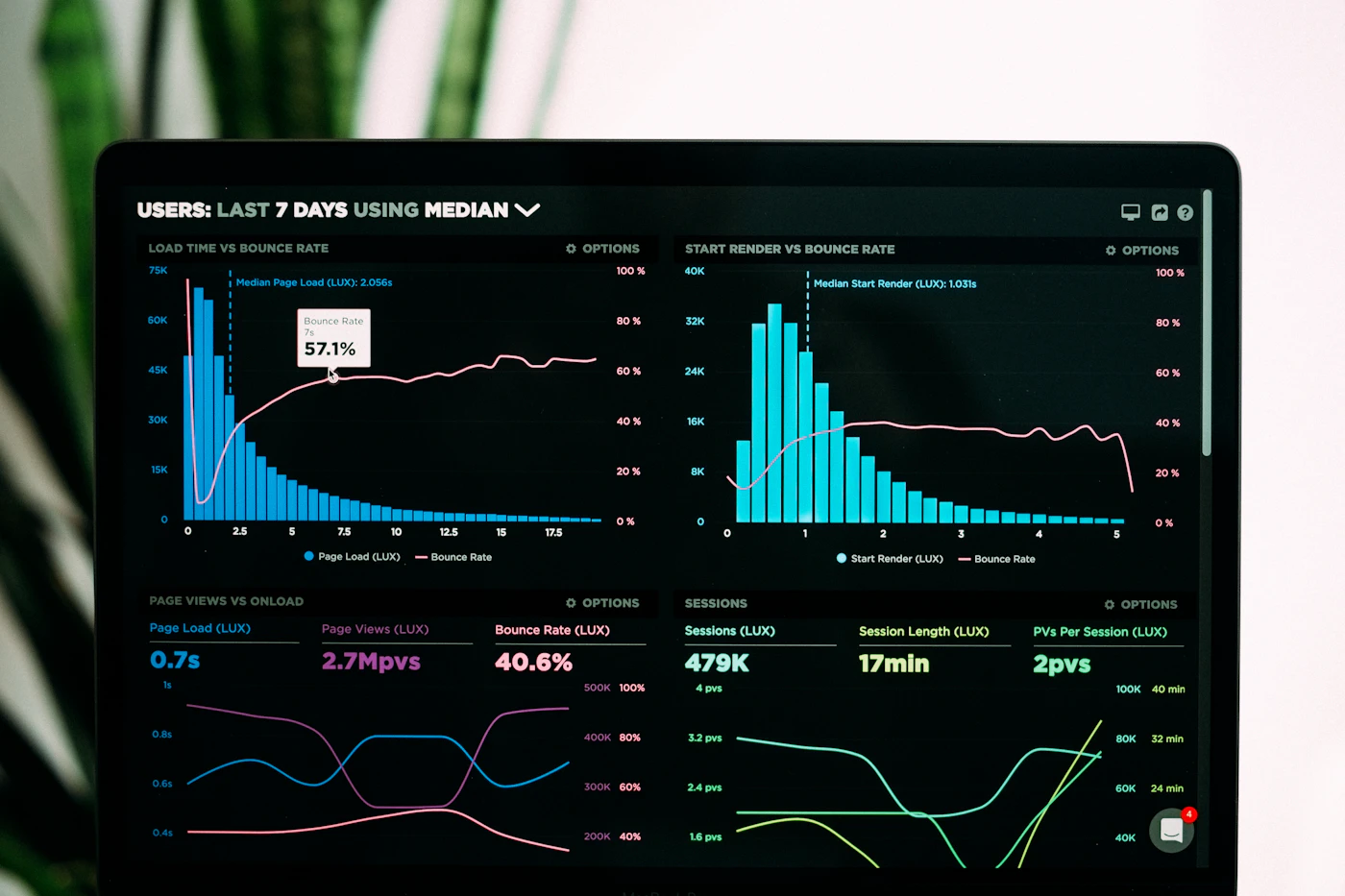
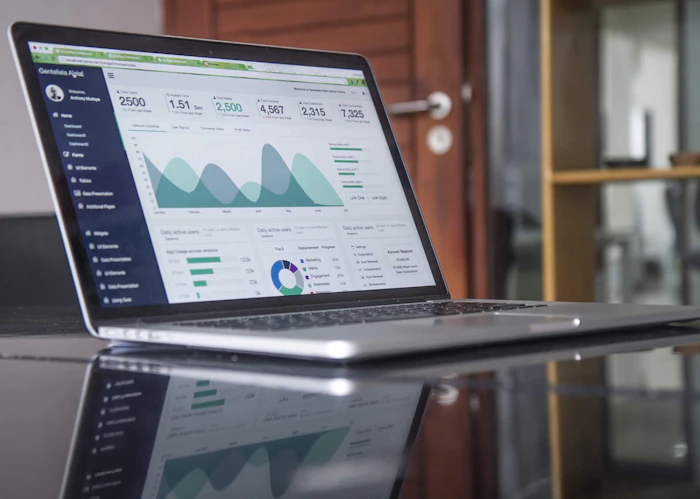
Analytics dashboard preview
Chart preview
Report preview

Key Highlights

Five core capabilities that make CCBC a reliable tool for climate estimation and policy planning.

Sector-wise Emission Calculators

Estimate emissions independently for different economic and activity sectors.

IPCC-Aligned Estimation

Use transparent calculation approaches and referenced emission factors aligned with IPCC methods.

Scenario Comparison

Compare Business-as-Usual conditions with alternative interventions or mitigation scenarios.

Transparent Assumptions

Clearly display emission factors, default values and calculation assumptions used in the estimates.

Exportable Results

Generate structured outputs suitable for further analysis, reporting and decision-making.

Transparent and Reproducible Methodology

CCBC applies documented sector-specific calculation approaches to convert activity data into greenhouse-gas emission estimates while allowing users to review the assumptions and emission factors used in the calculations.

Calculation Framework

  • ✓ IPCC 2006 Guidelines referenced
  • ✓ Tier 1 / Tier 2 approaches where applicable
  • ✓ Activity Data × Emission Factor based calculation logic
  • ✓ Default emission factors clearly displayed
  • ✓ User override of emission factors where permitted
  • ✓ CO₂, CH₄ and N₂O calculated separately
  • ✓ CO₂e conversion where applicable
  • ✓ Transparent assumptions
  • ✓ Reproducible calculations
Read Methodology

IPCC 2006 Referenced

Calculation methods aligned with IPCC 2006 National GHG Inventory Guidelines.

Transparent Emission Factors

All emission factors displayed and traceable to their source references.

Scenario-Ready

Compare Business-as-Usual with alternative intervention pathways.

Reporting Friendly

Structured outputs suitable for policy documentation and official reporting.

Explore Modules

Six sector-specific calculators, each built with documented emission factors and IPCC-aligned calculation logic.

Highway interchange

Transport

Estimate GHG emissions from on-road transport activity and fuel consumption.

EMISSION SOURCES Fuel combustion across vehicle and fuel categories. KEY INPUTS Vehicle type, fuel type, vehicle activity/distance travelled, fuel consumption or efficiency. OUTPUTS CO₂, CH₄, N₂O and CO₂e, as applicable.
Open Calculator →
Waste management site

Waste

Estimate GHG emissions from solid-waste generation, treatment and disposal pathways.

EMISSION SOURCES Landfilling/disposal, biological treatment, incineration/open burning, where included in the module. KEY INPUTS Waste quantity, composition, treatment/disposal pathway and relevant activity parameters. OUTPUTS CO₂, CH₄, N₂O and CO₂e, as applicable.
Open Calculator →
Industrial facility

Industry

Estimate GHG emissions associated with industrial fuel use and relevant production activities.

EMISSION SOURCES Stationary fuel combustion and process-related emissions, where covered. KEY INPUTS Fuel type and consumption, production/activity data and relevant process parameters. OUTPUTS CO₂, CH₄, N₂O and CO₂e, as applicable.
Open Calculator →
Livestock

Livestock & Manure

Estimate GHG emissions from livestock and manure-management activities.

EMISSION SOURCES Enteric fermentation and manure management. KEY INPUTS Livestock population, animal category and manure-management system. OUTPUTS CH₄, N₂O and CO₂e; CO₂ where applicable.
Open Calculator →
Commercial kitchen

Commercial Cooking

Estimate GHG emissions from fuel consumption in commercial cooking establishments.

EMISSION SOURCES Combustion of LPG, PNG, biomass and other cooking fuels included in the calculator. KEY INPUTS Fuel type, fuel consumption and establishment/activity data. OUTPUTS CO₂, CH₄, N₂O and CO₂e, as applicable.
Open Calculator →
Residential cooking

Residential Cooking

Estimate GHG emissions from fuel consumption for household cooking activities.

EMISSION SOURCES Combustion of household cooking fuels such as LPG, PNG, biomass, kerosene, coal and other fuels included in the calculator. KEY INPUTS Population/households, fuel type, fuel consumption or per-capita consumption. OUTPUTS CO₂, CH₄, N₂O and CO₂e, as applicable.
Open Calculator →

No calculators match that search.

Who Can Use the Tool?

Designed for government agencies, researchers and implementing partners working on climate and sustainability.

Urban Local Bodies

City planners and municipalities managing sustainability goals.

  • Track emissions at city level
  • Plan green infrastructure
  • Policy evaluation

Researchers & Analysts

Academic and industry researchers analyzing climate data.

  • Advanced data modeling
  • Scenario comparison
  • Detailed reporting

Sustainability Consultants

Professionals advising on environmental strategies.

  • Client reporting tools
  • Impact analysis
  • Compliance support

Sample Outputs

Preview dashboards, scenario comparisons and downloadable result tables from saved Transport calculations.

View saved results →